Care Plans
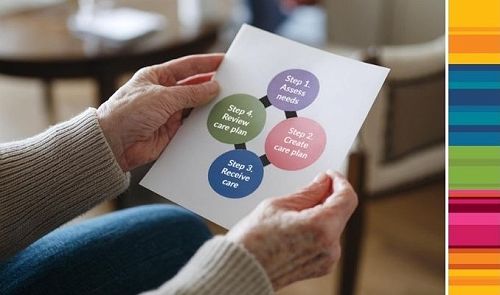
Every resident in residential care needs a personalised care plan that meets their individual health and wellbeing needs.
They are important as they:
Let everyone that is caring for the resident know what they need to do so the resident receives consistent, quality care and remains comfortable.
And help any staff member understand “Who is this resident, what do they need, and how do we support them safely and respectfully?”
Care plans should be created:
In collaboration with the resident and/or their family/whānau.
The resident’s holistic needs (physical, mental, spiritual and social) also need to be assessed.
Tips for writing care plans:
Write clearly and simply
Use objective language
Be specific
Include measurable actions
Update promptly
Involve resident and whānau
Good care plans include:
Identified problems that the resident experiences
Causes and/or background of the problem
Realistic goals/aims to manage the problem
Interventions, both pharmacological and non-pharmacological, to meet the goal/aim
What to do in a crisis/emergency
Regular reviews/evaluation of the plan, including the date
Care plan examples:
Example one:
Problem: Dyspnoea/breathlessness on exertion
Related to: Advanced COPD
Aim: For resident to be able to assist with their own ADLs to maintain independence, attend activities in the lounge
Triggers:
Mobilising
Showering
Infection
Non-pharmacological strategies:
Positioning upright, rectangular breathing – breathe in for two counts, breathe out for four counts
Use a hand held fan or have a window open so air circulates
Taking time to complete ADLs
Timing activity to take place after dyspnoea medications have had time to take effect
Ensuring window open when showering
Use of aids like low walking frame to facilitate rest during mobilising
Provide calm environment and reassurance during dyspnoea episodes
Pharmacological interventions:
Regular inhalers
PRN Morphine elixir
PRN Midazolam nasal spray for associated anxiety
Encourage infection prevention e.g. flu vaccination
Example two:
Problem: Constipation
Related to: use of opioids to manage dyspnoea and pain
Aim: BO every 1-2 days
Non-pharmacological strategies:
Encourage fluids and fibrous foods
Monitor bowel motion frequency and consistency
Pharmacological interventions:
Administer regular laxatives as prescribed
Administer PRN laxatives if resident has not had a bowel motion from day 2 onwards until bowels open
Administer PRN enema if impaction is diagnosed by performing a PR examination
Other helpful tips:
It can be useful to have a resource file with different care plans so they can be easily accessed and adapted for a new resident. This may be helpful for newer nurses who are not quite sure where to start when developing a care plan for a certain symptom or physical need.
Reviewing specific care plans as a team is also helpful especially care plans for complex wounds so there is consistency between shifts but also so you can learn from each other.
Also check out the Frailty Care Guidelines as these can also guide the development of a care plan.
Gallery