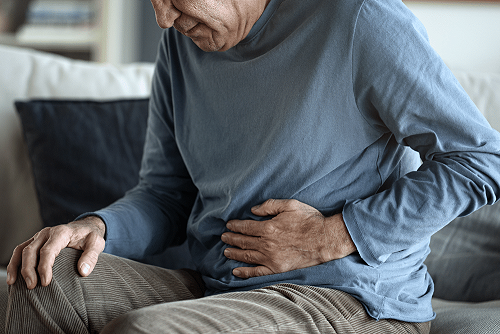
What do You Know About Constipation?
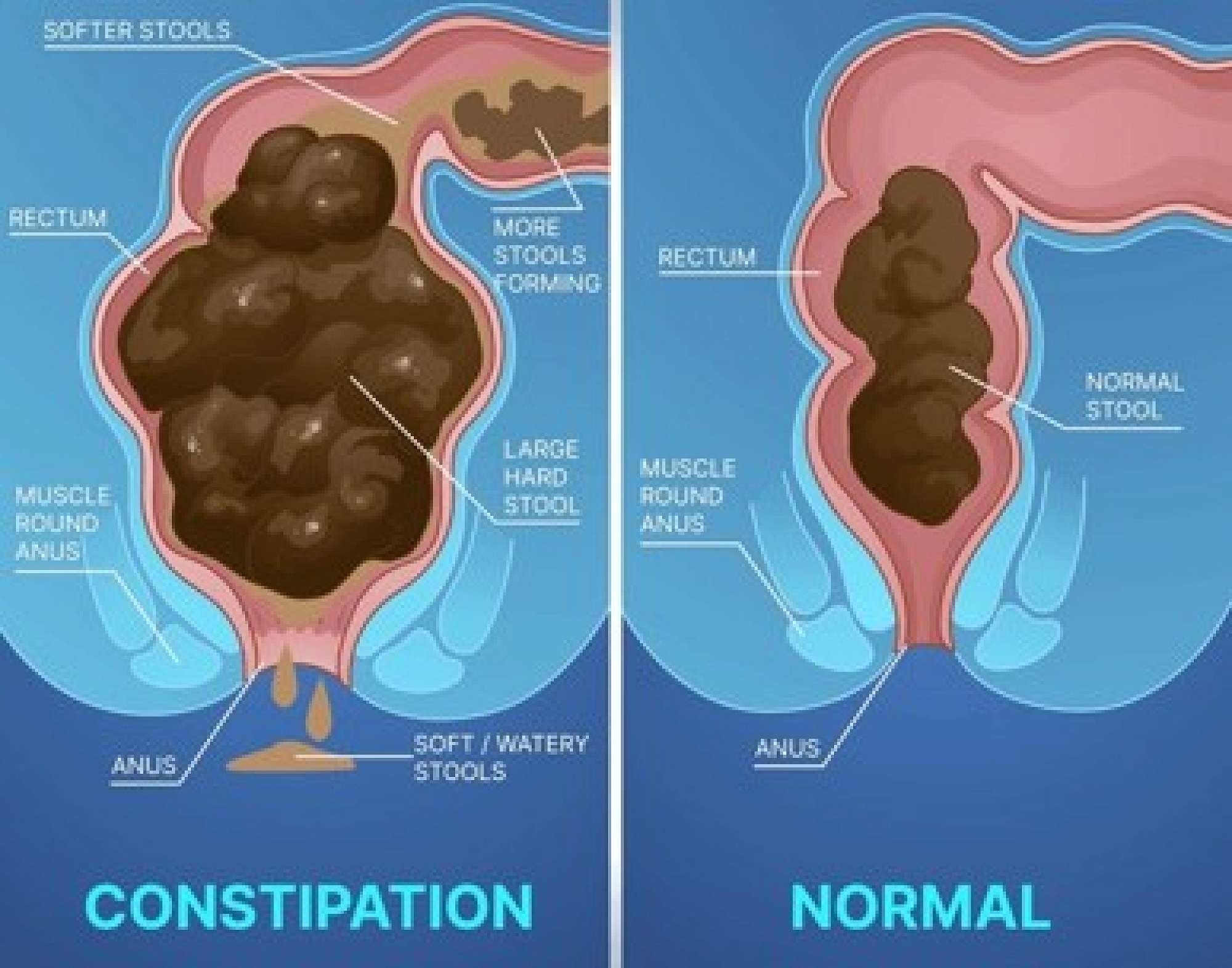
Patterns of bowels movements vary from person to person. Constipation happens when the stool moves too slowly through the colon and the colon absorbs too much water from the stool making it hard and dry and difficult to pass.
Constipation is defined as difficulty or straining to pass a bowel motion, less than 3 motions per week with hard lumpy stools.
What we do and eat makes some people more at risk
Risks include:
Moving less
Eating a low fibre diet and reduced fluid intake
Taking medications such as painkillers, antacids or iron supplements
Certain medical conditions such as irritable bowel syndrome, diabetes or a neurological disorder
Being an older adult, being female, having little or no activity or having a mental health condition or eating disorder may also increase risk.
How do we recognize constipation?
Ask and listen to the person – do they have abdominal pain or feel bloated?
Do they say they feel like they haven’t emptied their bowel properly or that they are straining to try to pass a motion?
If a person has severe cramping or vomiting, rectal bleeding or has chronic constipation (lasting longer than 3 weeks) – be concerned they may need a medical review.
Prevention is key
What we can do:
Firstly, Increase fibre in the diet especially fruit and vegetables and whole grains.
Next, increase fluid intake and encourage physical activity – even gentle walking helps.
Additionally, using the toilet when there’s the urge.
Laxative treatments are likely to be prescribed either regularly (if taking opioids) or be available PRN.
There are times when it may be useful to do a digital rectal exam (DRE), even though this may be uncomfortable or embarrassing for the person.
A DRE can be useful when when constipation is new, has lasted longer than three weeks, or does not respond to standard treatments. Symptoms like feeling a hard, stuck mass in the rectum or being unable to pass a stool despite straining may require a DRE.
Remember, chronic constipation can lead to painful conditions and can be a reason for unnecessary trips to ED. Haemorrhoids (piles) can develop, anal tears (fissures), feacal impaction (stools backed up in the colon) and rectal prolapse are all very painful.
PREVENTION and EARLY MANAGEMENT is VITAL.
Gallery