Karen's Takeaways From a Day Spent With Peers
The keynote speaker, Rhonda Tibble, brought an invitation to think more broadly in counselling practice and looked through the lens of healing, whakawhanaungatanga and film.
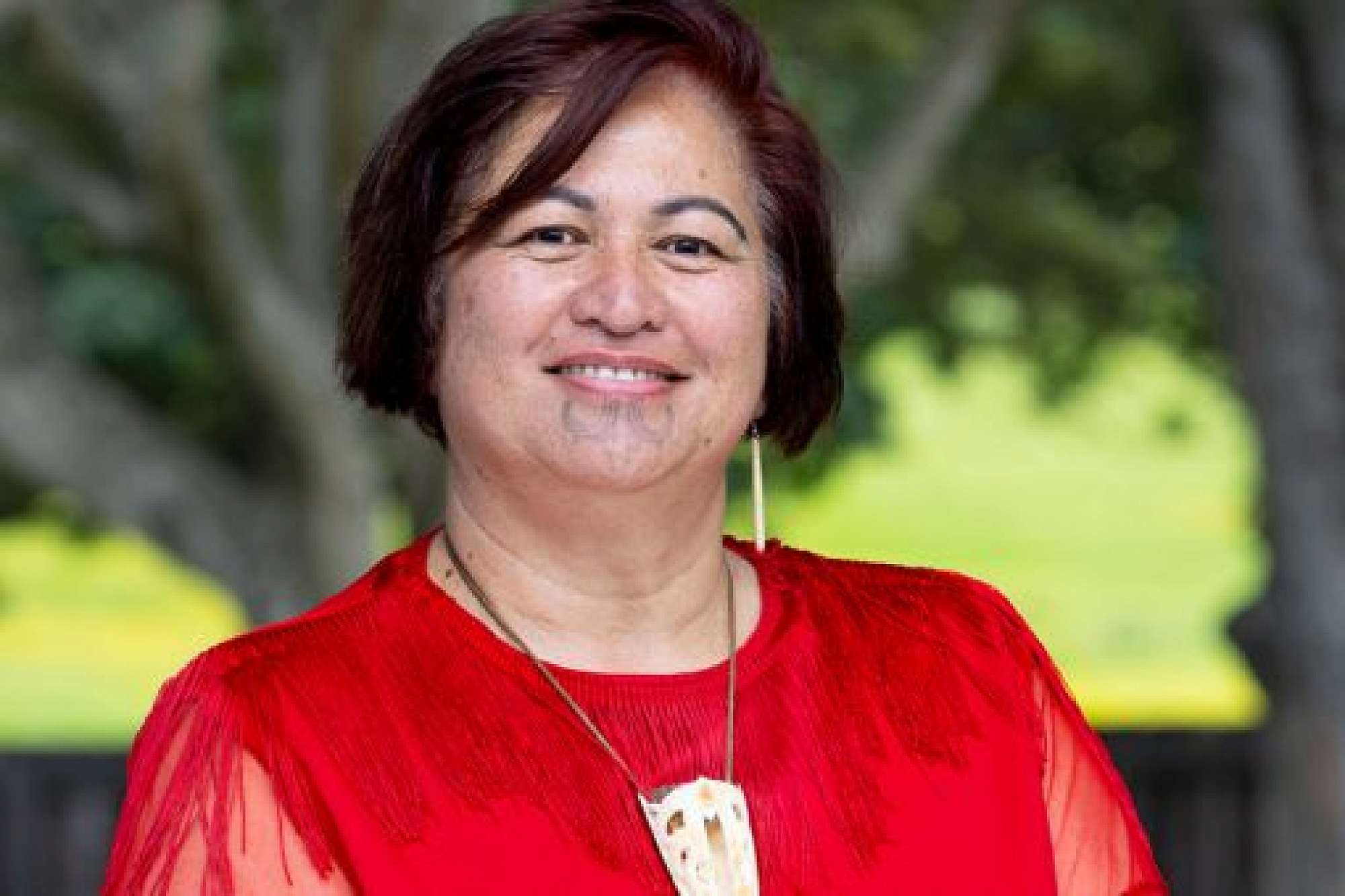
Rhonda used four contemporary Aotearoa films, each released in the last 5 years, to challenge and reflect on how story and experiences might reshape how we view our individual counselling practice.
I personally found her kōrero refreshing and challenging as she asked questions about how we know our clients have moved from mauri mate (life force unwell) to mauri ora (wellbeing). She also talked about the importance of remembering the wairua of the person and what else maybe going on for them. Her weaving of storytelling and film clips encouraged me to keep exploring te ao Māori.
There was a workshop on building inclusivity in practice for rainbow clients, presented by Jennifer Shields.
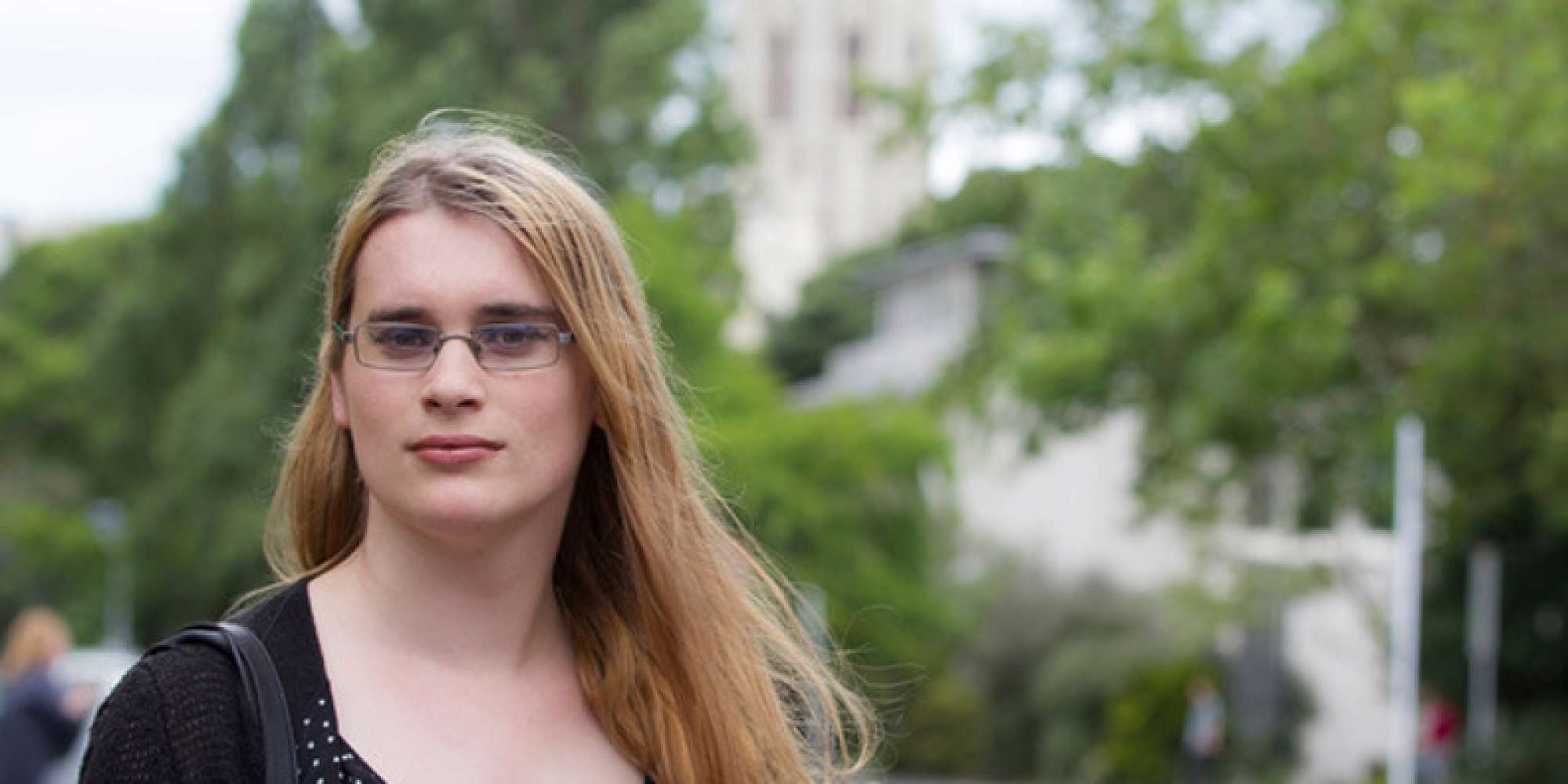
She presented the latest data around the discrepancies in access to health care, experiences in school and communities, and how we might signal to the members of this community how to be an ally, such as being forward in presenting our own personal pronouns.
I have a full set of their comprehensive slides if anyone is interested in taking a deeper look at the data.
My take away from this workshop was to continue to build my own understanding of this community and to continue to challenge my own biases and the lens I work through.
During the break there was an opportunity to meet up with those counsellors that were there from other hospices. It was nice to connect face to face with those I have only met on zoom. I came away from this meeting with an appreciation of all that OCH has to offer patients and whānau on our program.
The ending key note was on the sustaining of self. Lisa Spriggens drew on her recently completed PhD and focussed on how we need to “put our own oxygen mask on first” in order to bring our best to others.
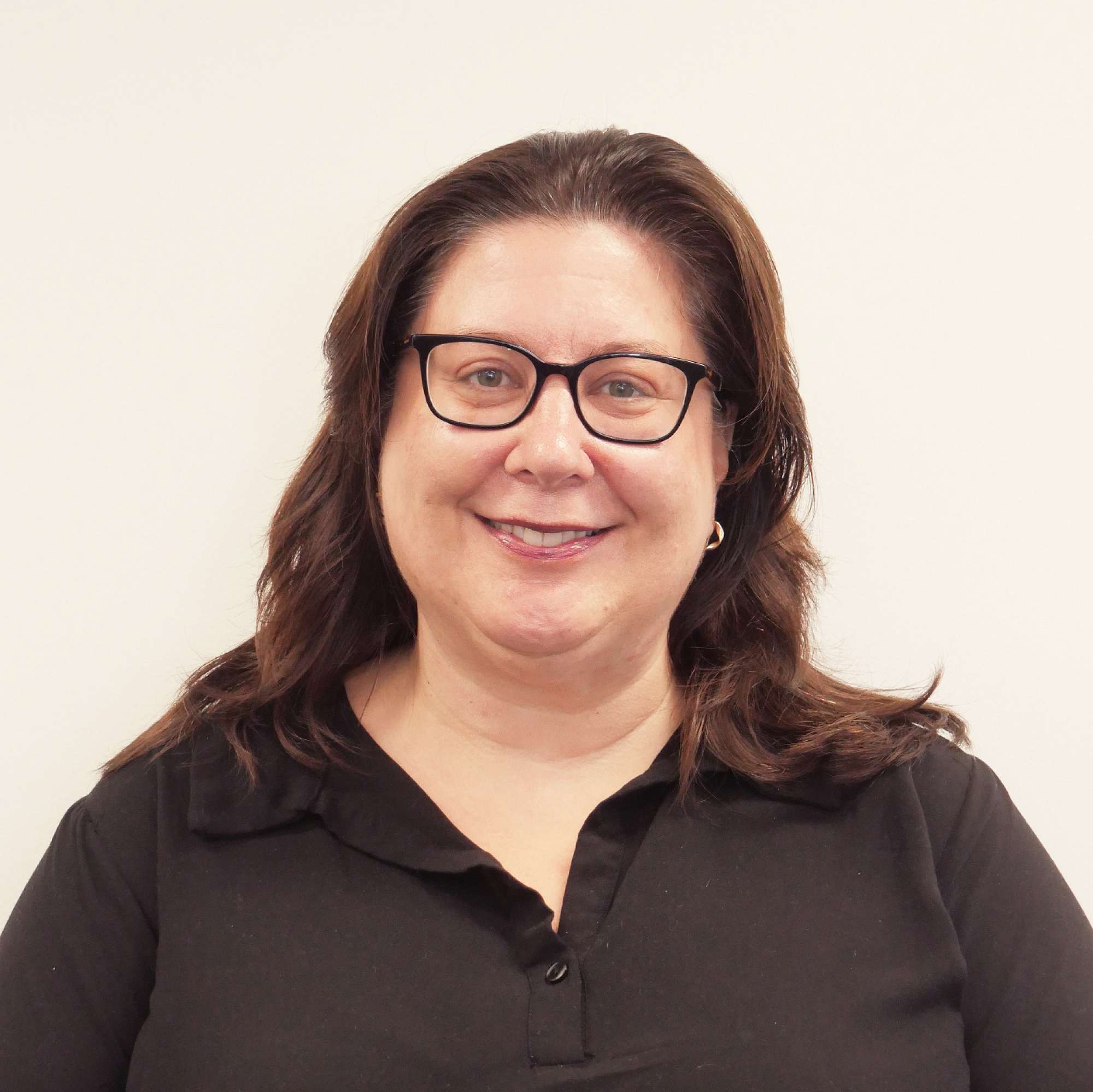
She talked about how self-care has become a loaded term and thanks to social media can often be thought of more about bubble baths and a glass of wine. While these things are part of it, there is more to self-care than this. Some challenging questions she posed were: “Are your evenings and weekends spent recovering from your work?” “What discourses are informing my thoughts around self-care?” The goal being to move away from thinking that self-care is selfish to looking at the freedom that comes when you start looking after yourself.
I found the experience of being with peers incredibly supportive and the connections made were excellent.
Gallery

Related Articles
More People, More Equity, More Sustainability
Holly updates us on the shared care coordination model.
Spring Has Come to Central Otago
The Central Otago office is erupting with spring in the form of wine barrels packed full of colour.
Five New Episodes Now Available on Ending Life Well Podcast
Otago Community Hospice this month added five new episodes to the informative palliative family carers podcast Ending Li...